Meet Abouzar Basiri Zadeh
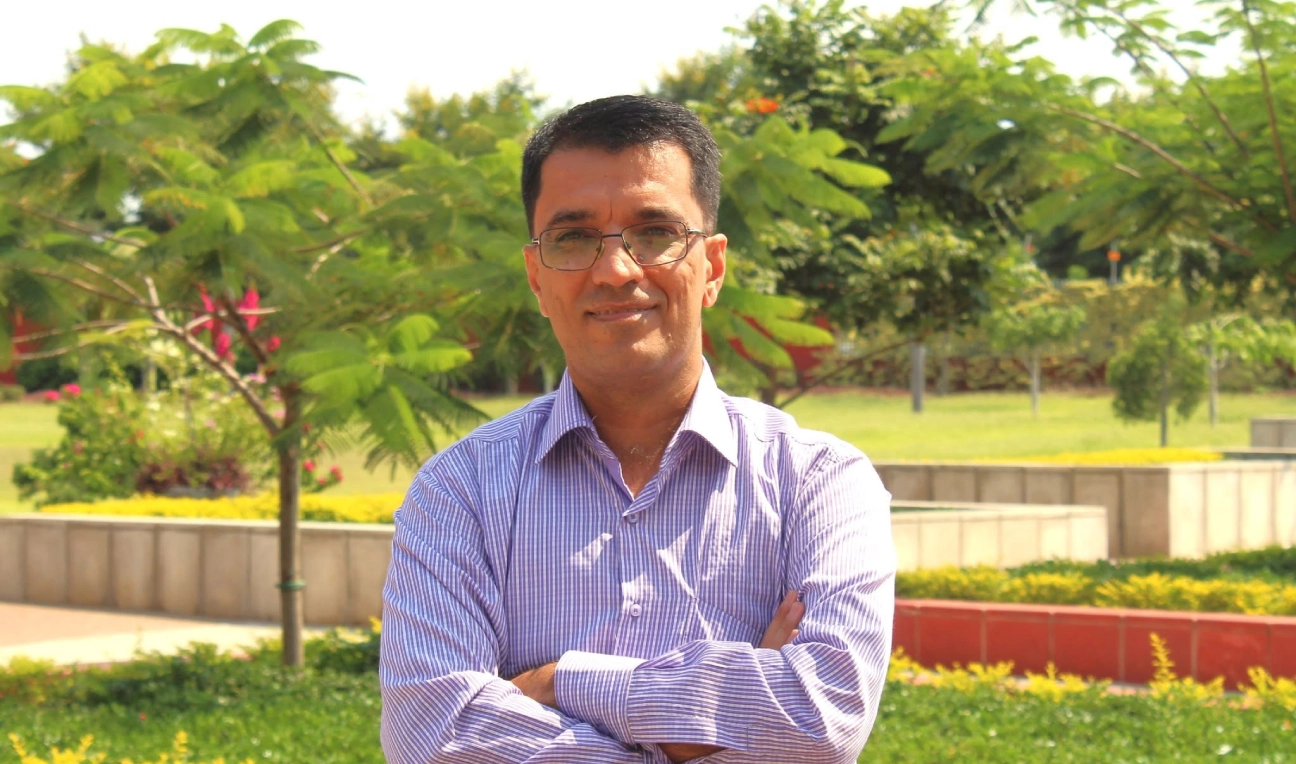
Hailing from Iran, Abouzar Basiri Zadeh is the Aga Khan Academy Maputo’s country coordinator for its International Talent Identification Programme (ITID). Abouzar’s experience reflects a passion for diversity and togetherness, regardless of background.
While serving in several positions over the last decade, Abouzar continues his work as an English language trainer, with a focus on international proficiency exams, to ensure every student is catered for in their education. The now-ITID coordinator for the Academy first served as a project manager at Global Partners and then as a field logistics manager at Medecins sans Frontieres.
Abouzar’s top priorities for his first academic year at the Academy are to learn more about its culture and the International Baccalaureate (IB) programme and develop a professional network. He also highlights the importance of the Academy’s vision, in which students are equipped with the skills to support their community.
“Providing high-quality education through the IB programme and facilitating the ITID programme, which is one of the highlights of the Aga Khan Academy Maputo, are also my missions at the Academy,” he said. “Through the Aga Khan Academies’ mission, students will be the ethical leaders, serving their local community in upcoming years.”
His favourite aspect of the Academy is the diversity, making him feel at home after leaving his country.
“Diversity, yet unity,” he said. “As soon as you step into the Academy, you are amazed by the diversity in terms of nationalities, religions, etc. Yet, the unity and caring community make living and working an enjoyable experience.”
Related News